

Academics
Education is not only the transmission of content, but also the learning of virtues.
– Pope Leo XIV
We follow the Archdiocese of Baltimore Course of Study and offer students a broad education in religion, reading and language arts, mathematics, science, social studies, the arts, physical education, and other learning experiences. Our teachers build strong foundations, invite students to ask questions and solve problems, and help them put what they learn into practice.
Learning develops from year to year. Teachers work across grade levels and subject areas to connect what students have already learned with what comes next. This vertical alignment helps essential knowledge and skills grow steadily from early childhood through middle school. Within each classroom, teachers use what they know about students to adjust instruction, provide support or added challenge, and offer more than one way to engage with important ideas.
As a Catholic school, we also attend to the person behind the work. Prayer, service, relationships, and our values of integrity, initiative, and inclusion shape the way we teach and learn. Technology is used with purpose, alongside reading, writing, discussion, hands-on exploration, and face-to-face connection.
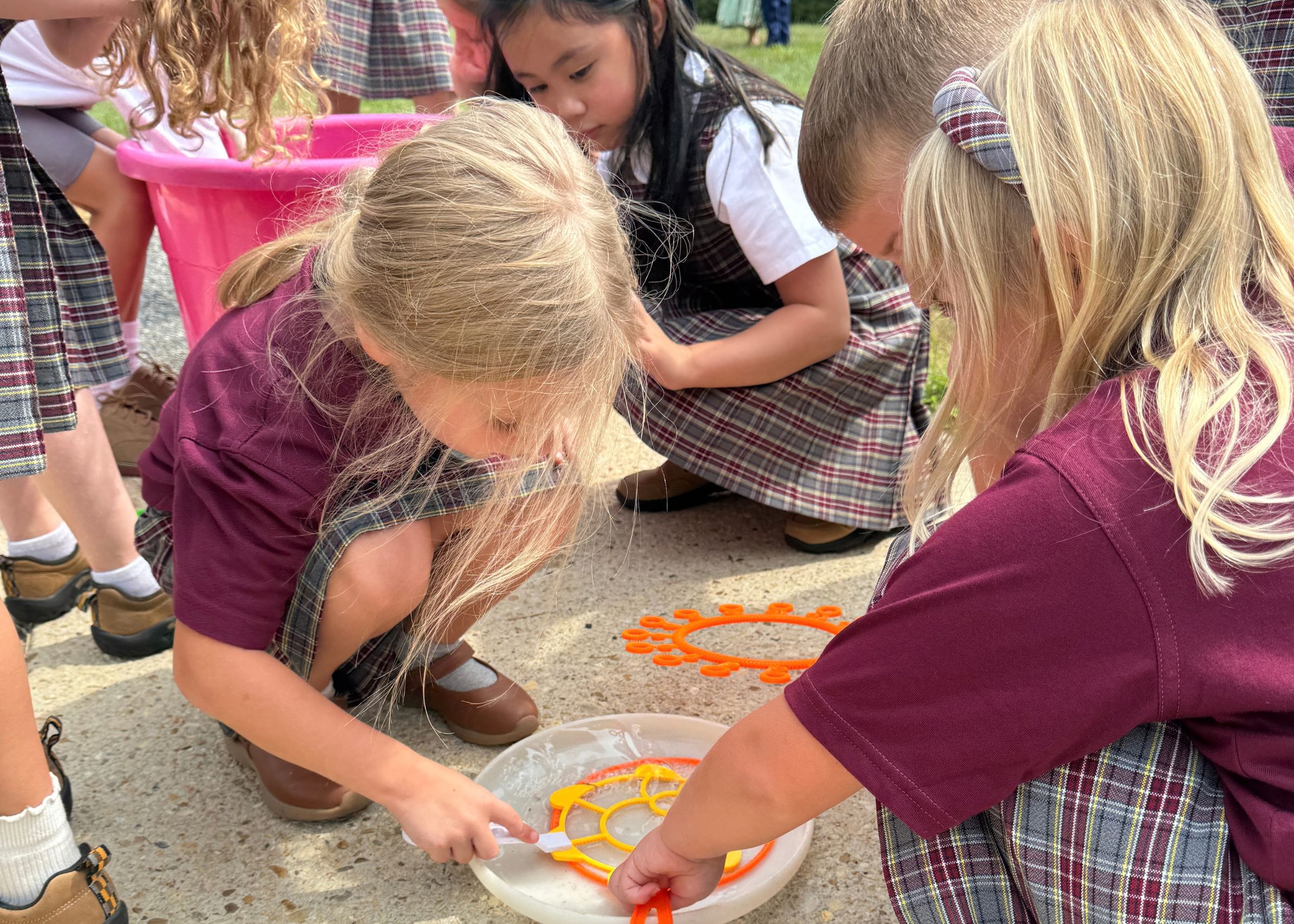
Experiential Learning
“Today’s early childhood learner will have access to tons of information more than ever before. Problem-solving skills, hands-on learning, sensory-rich practice and lessons will be an essential skill going forward. The kids in kindergarten are naturally attuned to this style of learning. When it continues beyond first grade, the rewards will be massive.”
-Jerry Rehanek, Kindergarten Teacher
Celebrating Every Mind
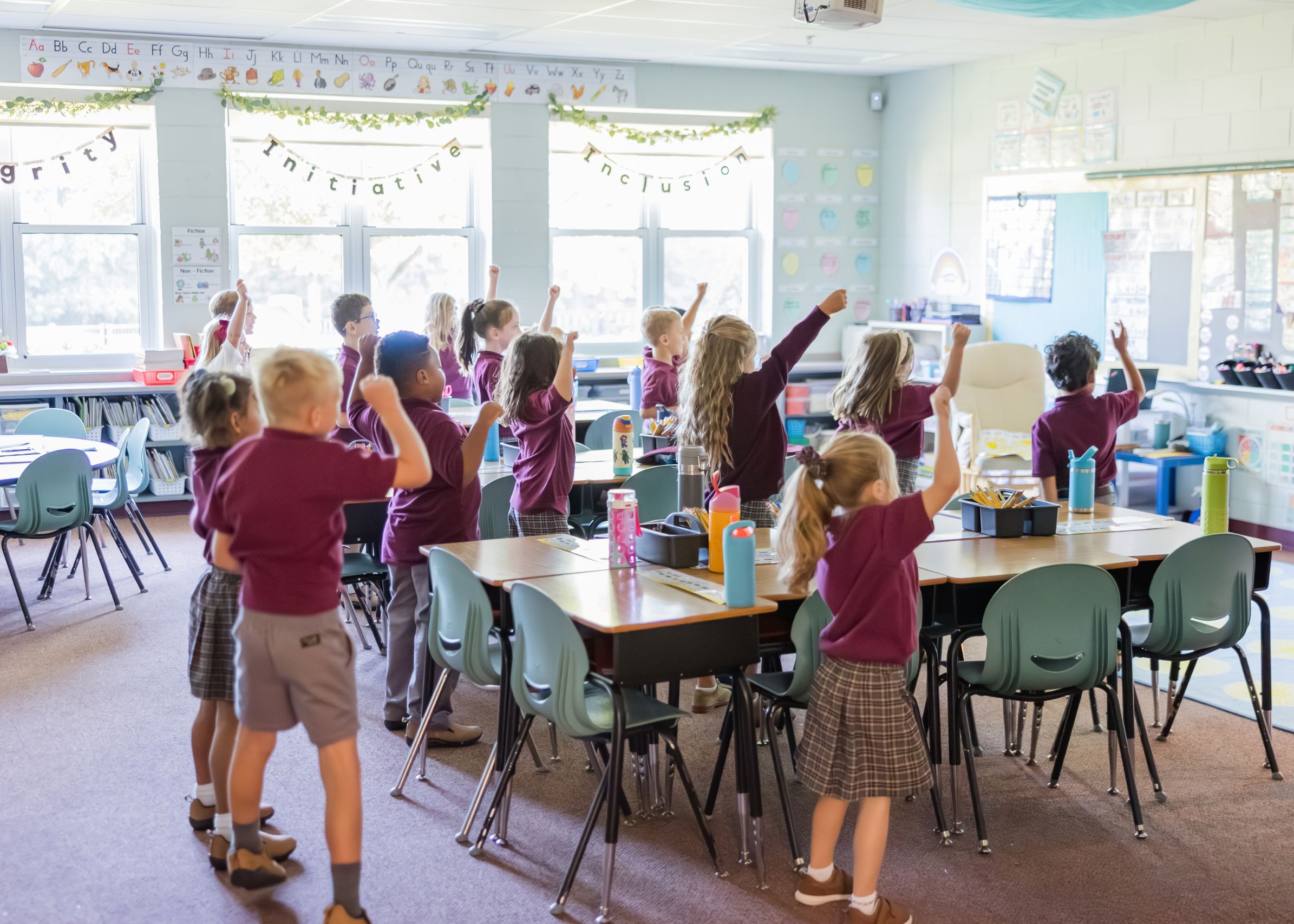
“In my classroom, I strive to meet every student where they are by creating opportunities for every learner to thrive, while honoring their unique strengths, needs, and learning styles.”
-Allison Clough, First Grade Teacher
Celebrating Every Mind
“In my classroom, I strive to meet every student where they are by creating opportunities for every learner to thrive, while honoring their unique strengths, needs, and learning styles.”
-Allison Clough, First Grade Teacher
Nurturing The Whole Child
“At Incarnation, we aim to nurture the whole child. While academics are important, we know that a child’s development is more than how they perform on a test. We strive to support students emotionally and socially by creating an environment where they feel valued, loved and safe to take risks. We are committed to help students recognize their God given gifts and to grow in their faith.”
-Patricia Mulville, Fifth Grade Teacher


Creating Thinkers and Innovators
“We believe that the best lessons are the ones that spark a question rather than simply provide an answer. Whether through hands-on projects, open ended discussions, or real world applications, we are constantly asking our students to think deeper, dig further, and discover what they are truly capable of.”
– Amy Pietrowski, MS Math/STEM Teacher
Creating Thinkers and Innovators
“We believe that the best lessons are the ones that spark a question rather than simply provide an answer. Whether through hands-on projects, open ended discussions, or real world applications, we are constantly asking our students to think deeper, dig further, and discover what they are truly capable of.”
– Amy Pietrowski, MS Math/STEM Teacher
Schoolwide Expectations for Learning

Communicate in Complete Sentences
Students learn to express their thinking clearly in every subject. Teachers regularly invite them to answer, explain, and respond in complete sentences during discussions and in their work. As students grow, their explanations become more precise, detailed, and supported by evidence.

Persevere Through Productive Struggle
Meaningful learning sometimes takes more than one try. When a task is challenging, students are encouraged to pause, think, try a strategy, learn from mistakes, and keep going. Teachers provide guidance and appropriate support while helping students build confidence in their ability to work through difficulty.
Think Critically with a Wonder Question
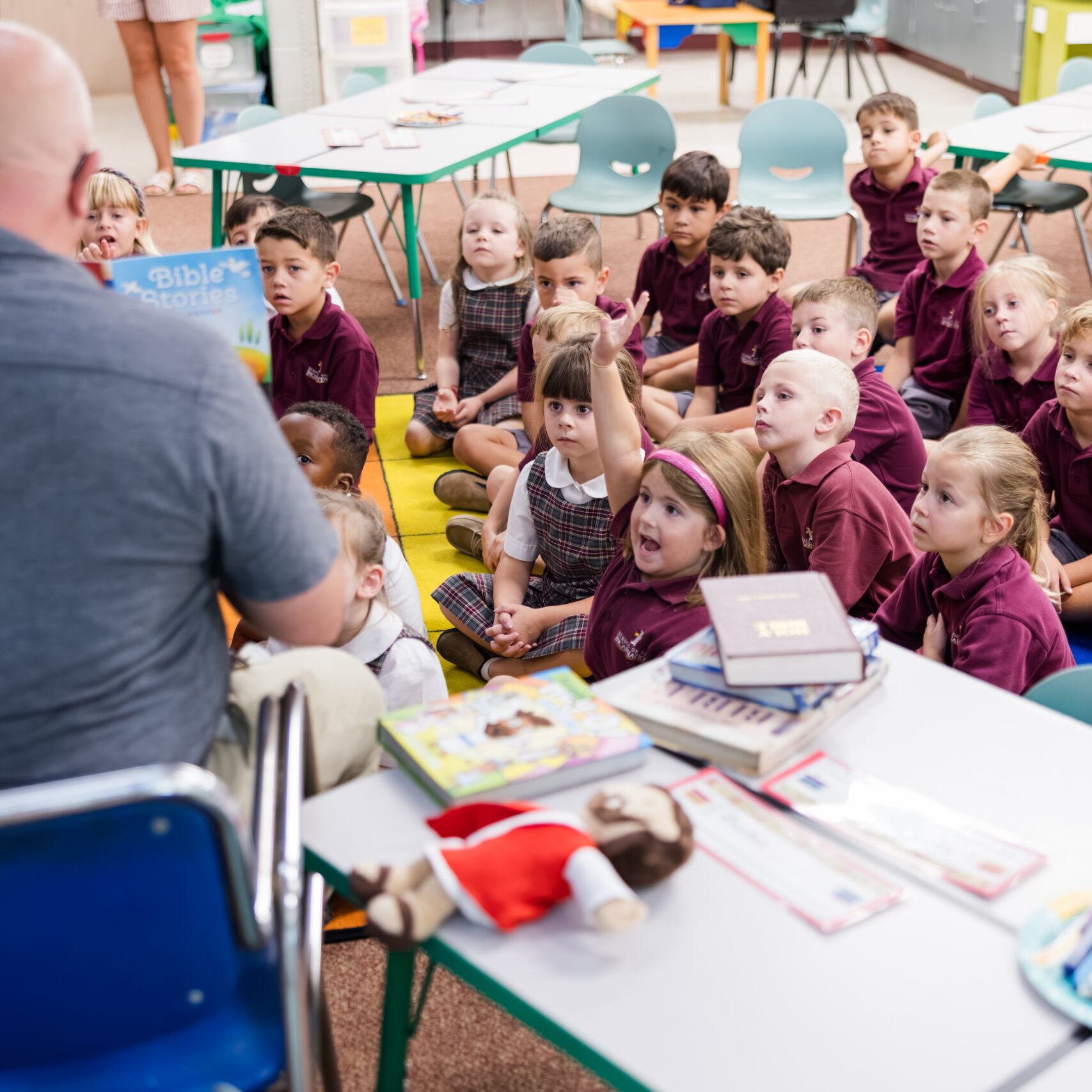
Each week, teachers introduce a thought-provoking Wonder Question of the Week. Students have a brief opportunity to reflect, discuss, or respond. Many questions invite more than one reasonable answer; students practice curiosity, reasoning, respectful listening, and explaining why they think as they do.